Fentanyl Decontamination
Rooms, vehicles and exposed surfaces receive decontamination following fentanyl exposure.
See fentanyl decontaminationGet meth residue testing, decontamination, material removal and clearance steps for a home, rental, business or vehicle in Lackawanna. Keep people out of affected areas until the property has been assessed.
When drug-production chemicals or methamphetamine residue contaminate a vehicle, business, rental or home, meth lab cleanup covers the necessary testing, cleaning and removal.
Residue may remain even though a property appears clean. Walls, appliances, ceilings, belongings, floors and cabinets can collect meth smoke. Sites used for production may hold fuels, solvents, acids, unknown mixtures and salts as well. Because these materials are hazardous, no one should begin normal cleaning or relocate containers before the site is carefully assessed.
Local property rules and test results set the course for the biohazard remediation work. With protective equipment in place, cleanup technicians separate contaminated areas from clean ones. They take out materials that resist cleaning and wash what remains. When necessary, they also address the air system. Afterward, samples establish whether each tested area reaches the relevant clearance level.
The cleaning service should maintain an orderly record of photos, job scope, waste disposal and testing, helping you move forward following clearance.
Evaluating each possession's material and state helps you understand which items can undergo cleaning and which could require disposal.
Controlled work zones and clean access paths limit dust, tools and contaminated materials from moving into the rest of your property.
Before remediation, you should receive a written plan covering clearance steps, cleaning methods, affected areas, removal decisions and the basis for testing.
Meth decontamination cleaning services become necessary when reliable history or test results point to residue from production or use. Both the testing findings and the property's background are the starting point in every case. Common examples are:
Residue may be present on seats, carpet, trim and ventilation surfaces inside a car, truck or recreational vehicle.
Unseen residue from repeated smoking remains on household contents, cabinets, ceilings, floors and walls.
After the tenant leaves, possible drug activity comes to a landlord's or property manager's attention, so testing is needed before repairs or reletting.
A contractor stops work after discovering suspicious vessels, chemical stains or a prior notice, preventing dust from entering clean spaces.
Start by limiting exposure and stopping residue from spreading. Before a professional cleanup starts, take the following steps:
Call (888) 440-9227According to published PushLeads cost data, the broad range for meth lab cleanup begins at $5,000 and extends through $120,000 while the typical average sits between $15,000 and $20,000. Such a wide span reflects the difference between ongoing smoking in one space and chemical manufacture across the property. Local clearance rules, testing, air-system treatment and material removal further shape the final scope.
These national ranges are taken from published cost guides, rather than a property visit. After an on-site assessment, the price for your property is determined and shared with you before cleanup begins.
Ask about cost: (888) 440-9227Insurance coverage for meth contamination varies by policy and cause, and some policies contain pollution, contamination, criminal-act or vacancy exclusions. Report the discovery to the insurance company, ask what assistance is available and request a written coverage decision before authorizing non-emergency work.
For a rental, property owners often set up assessment and cleanup. You must address property safety separately from trying to collect expenses from a tenant.
Store the police release, lab findings, photos, remediation scope, disposal documents, invoices and clearance report in one place.
Describe the discovery of residue when contacting the insurance company. Ask the insurer if benefits apply to tests, decontamination, material removal and loss of use.
Securing evidence and clearing the property may fall to law enforcement, but arranging subsequent testing and decontamination generally falls to the owner.
A meth lab cleaning process is completed in planned stages. At each point, the work should reflect the test plan, property assessment and clearance rules for that location.
Ask cleanup technicians, before they start, to describe how they assess the property's past, formal police release, hazards you can see, the room arrangement, ventilation and potential paths of contamination.
Sampling surfaces helps locate affected areas and set an initial benchmark. Sampling locations and methods should follow the applicable local protocol.
The written scope identifies containment, materials to remove, surfaces to clean, the treatment of contents and the final clearance steps.
The work area is separated from clean rooms. Cleanup technicians use protective gear suited to the residue, dust and chemical hazards found on site.
Carpet, pad, soft furnishings, insulation or damaged building materials may be removed and prepared for waste disposal when they cannot be cleaned to the required level.
The surfaces left in place, including fixtures, cabinets, flooring, walls and ceilings, receive appropriate cleaning in a planned order.
Inspect the air system apart from belongings that can be moved. Depending on test evidence and physical state, contents may be decontaminated, set apart or thrown away.
Final sampling follows completed cleaning and determines if the property needs more work before people return.
Call at any time. You speak with a meth lab cleanup specialist who outlines the process and schedules a start time with you.
Even if you notice no strong odor, contaminated dust, chemicals remaining after production and direct contact with skin can make a former meth property a serious health risk.
Floors and nearby belongings are often touched by children and animals. You can lower their chance of contact by restricting access to the affected area during pending tests and cleanup.
Unidentified containers and substances may be reactive, capable of catching fire or corrosive. Avoid opening or smelling them, and never combine or discard them in household waste.
If carpet and wallboard are removed before tests, contaminated particles can reach your clothing, equipment and clean areas.
Can you clean it yourself? Do not respond to possible meth residue as you would to a routine household spill. Household cleaners cannot determine the reach of contamination or confirm that surfaces satisfy the area's clearance threshold. Testing and a meth-specific remediation plan are the safer starting points.
Only materials approved for cleaning under the remediation plan are retained, and the area after remediation must be able to complete the required clearance process.
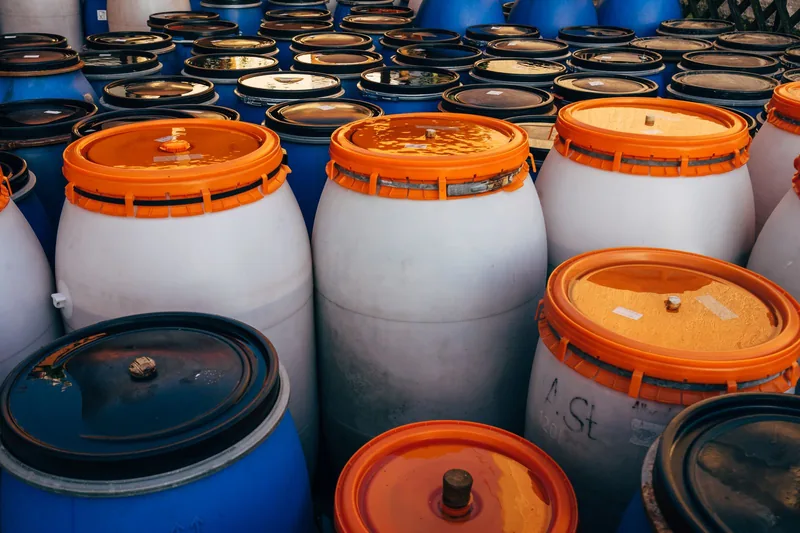
Your applicable regulations and clearance level depend on the state and locality. Before starting remediation, check the applicable standard with the relevant health, building or environmental authority.
Testing plans, lab methods and clearance records may have to comply with locally established procedures. Officials, tenants, owners and prospective buyers may request the records, so preserve them.
Do not assume unidentified substances or affected debris belong in ordinary household garbage. How waste is classified and discarded varies with its contents and the rules in your area.
Manage needles or infectious waste apart from any associated drug-related materials. (New York treats blood-soaked materials from a biohazard scene as regulated medical waste. Rules from the Department of Environmental Conservation and the Department of Health control how it is packed, moved and treated, so it cannot go in household trash.)
A limited-area meth lab cleanup may require several workdays, while remediation at a larger production location can last several weeks. Room count alone does not set the timing. Clearance sampling, laboratory turnaround, repeated rounds of cleaning and material removal have greater influence.
The full meth lab cleanup guide covers what is cleaned or removed, odor and air quality work, and the rules that apply in your state.
Read the full meth lab cleanup guidePlanning for access, containment and cleanup can depend on local population, housing and entry conditions.
At 43.8% renter occupancy, cleanup needs vary between leased units and owner occupied homes, especially around authorization for demolition.
Homes with a median year built of 1954 may have several finish layers, which can conceal contamination after a spill.
The 1,342 seniors living alone may need support from relatives or trusted contacts when a cleanup decision follows a medical emergency.
Single-family homes represent 50.0% of housing in Lackawanna, creating a mix of detached properties and buildings with shared spaces.
You can ask about cleanup in nearby communities and ZIP codes during the call.
Rooms, vehicles and exposed surfaces receive decontamination following fentanyl exposure.
See fentanyl decontamination
Rental spaces and properties are cleared of needles, pipes and residue from drugs.
See drug paraphernalia cleanup
Grow house cleanup of mold, chemicals and damage left by indoor growing.
See marijuana grow house cleanup
Protective equipment suited to hazardous materials is used during hazmat cleanup.
See hazmat cleanup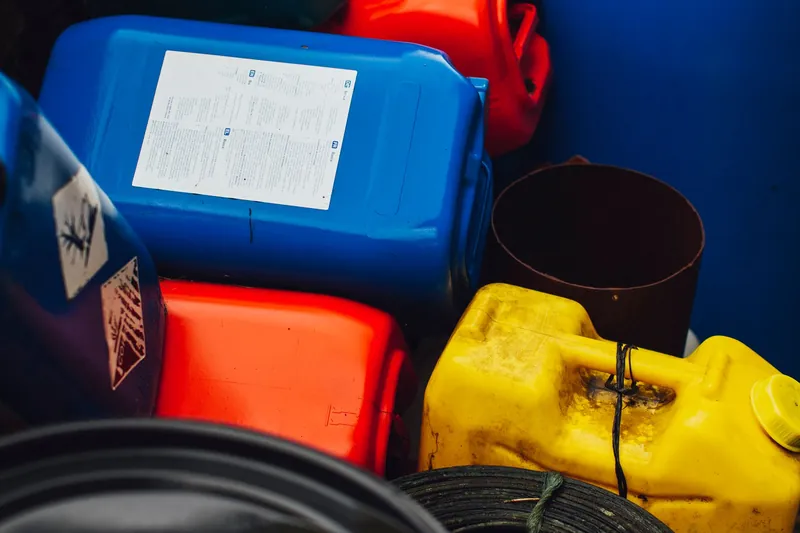
Chemical and toxic waste cleanup and safe disposal.
See chemical and toxic waste cleanup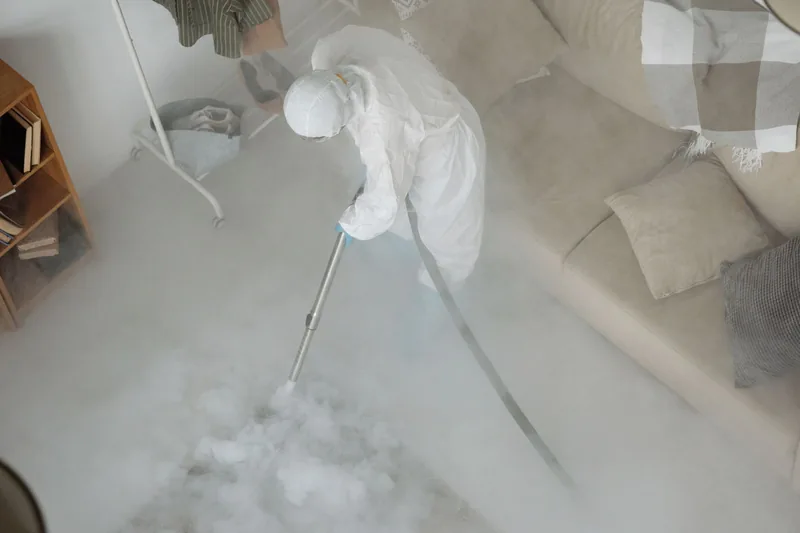
After exposure to infectious or hazardous material, the air, room and surfaces are fully decontaminated.
See biohazard decontamination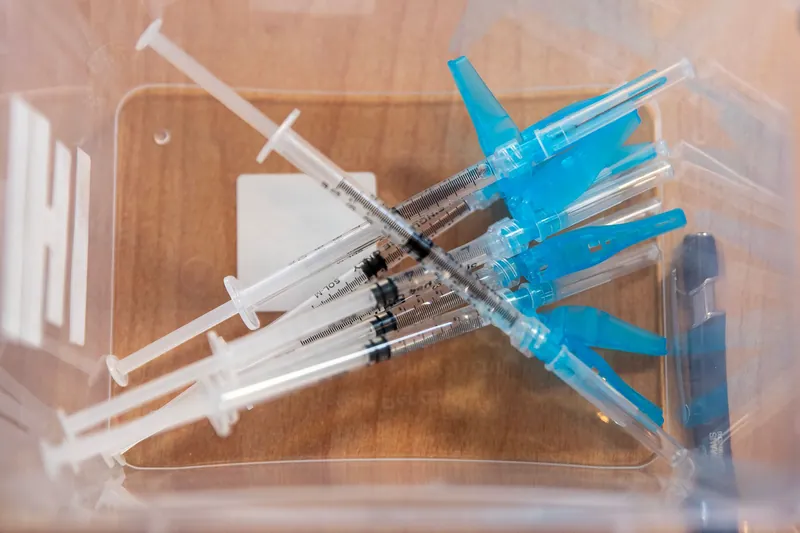
Needle and sharps cleanup for yards, rentals, parks and encampments.
See needle and sharps cleanup
Hotels, rental properties and Airbnb units receive biohazard cleanup.
See hotel, airbnb and rental biohazard cleanupMaterial type, condition, value and residue level should guide an individual assessment of each belonging. Some hard, washable items may undergo cleaning. Absorbent belongings such as books, carpeting and upholstered furniture may resist effective remediation. The work plan should explain which items are isolated, cleaned, tested or discarded.
Never treat sight and odor alone as proof that the space can be used. The governing local rule and written advice of the appropriate environmental or public agency should determine when reoccupation occurs. Post-remediation sampling creates objective evidence and shows whether more cleaning is needed.
Consider sampling if law enforcement finds an old lab, trustworthy property documents record drug manufacturing or sound evidence suggests recurring meth use. Chemical staining, unusual containers and strong odors are warning signs, but appearance and smell cannot confirm that a property is clear.
Coverage depends on policy language, the contamination's origin and any vacancy, criminal-act, pollution or contamination exclusion. Report the discovery to the insurance company, explain how you found it and ask if temporary housing, testing, removed materials, remediation and clearance sampling have coverage.
DIY cleaning can spread contaminated dust and makes it hard to document the result. Household products do not measure residue or confirm clearance. Start with professional sampling and the local cleanup standard. The resulting documented cleanup plan can specify surfaces suitable for treatment and materials requiring removal.
Sometimes production chemicals leave a sharp or solvent-like odor, but odor alone cannot confirm meth residue or clearance. Contamination can remain indoors without producing an odor you notice. Leave if chemical odors are strong, avoid touching containers and rely on surface sampling and the applicable standard.
Crews carry out respectful, discreet meth lab cleanup, arrive in unmarked vehicles and take calls 24 hours a day.